

Privia Health Expands Virtual Women's Health Clinics Across Ohio
Ohio, USA, Wednesday, 4 December 2024.
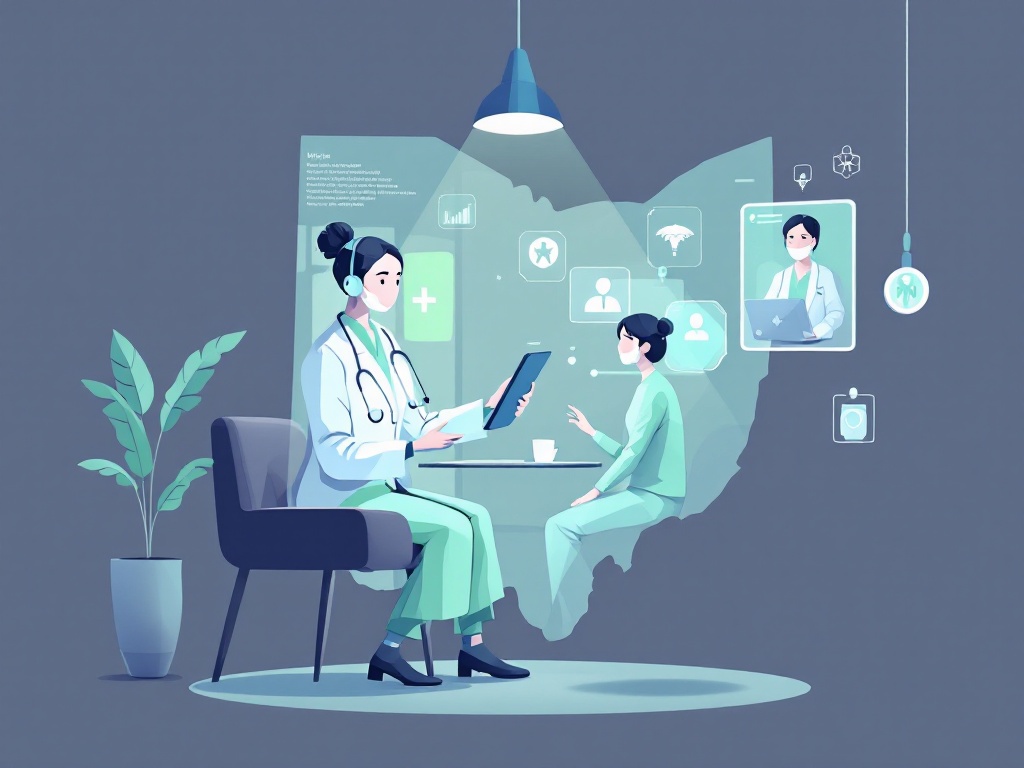
Privia Health’s virtual care platform now enhances healthcare accessibility in Ohio, targeting underserved areas by connecting patients with providers for emergency and routine care remotely.
Digital Healthcare Revolution in Ohio
The expansion of virtual healthcare services in Ohio marks a significant development in women’s healthcare delivery, with implementation beginning November 25, 2024 [3]. This digital transformation comes at a crucial time when the state is experiencing varying levels of healthcare accessibility across different regions. The initiative particularly focuses on connecting patients with healthcare providers, including OB/GYN specialists who earn an average of $115,028 annually in Ohio [3], ensuring professional medical expertise is available through virtual consultations.
Comprehensive Virtual Care Services
Through Privia Health’s platform, patients can access both scheduled virtual visits with their regular providers and on-demand care through the virtual clinic service [1][2]. The system includes emergency care coordination capabilities, ensuring that patients requiring immediate in-person attention can be quickly directed to appropriate facilities [2]. This comprehensive approach maintains the quality of care while increasing accessibility through digital means [GPT].
Addressing Healthcare Workforce Demands
The virtual clinic expansion aligns with current healthcare staffing needs in Ohio, where there is active recruitment for various medical positions, including OB/GYN specialists. Entry-level positions in this field start at $102,781 annually, while experienced practitioners can earn up to $129,531 [3]. This virtual platform helps bridge the gap between available healthcare professionals and patient needs, particularly in underserved areas [GPT].
Future Implications and Growth
While the initial implementation phase began in late November 2024 [3], ongoing plans for further expansion and integration of telehealth services are in development [alert! ‘specific future expansion dates not provided’]. The success of this virtual care initiative could serve as a model for other regions looking to enhance healthcare accessibility through digital means [GPT].