

WHO Rallies Global Efforts on World Neglected Tropical Diseases Day
Geneva, Tuesday, 28 January 2025.
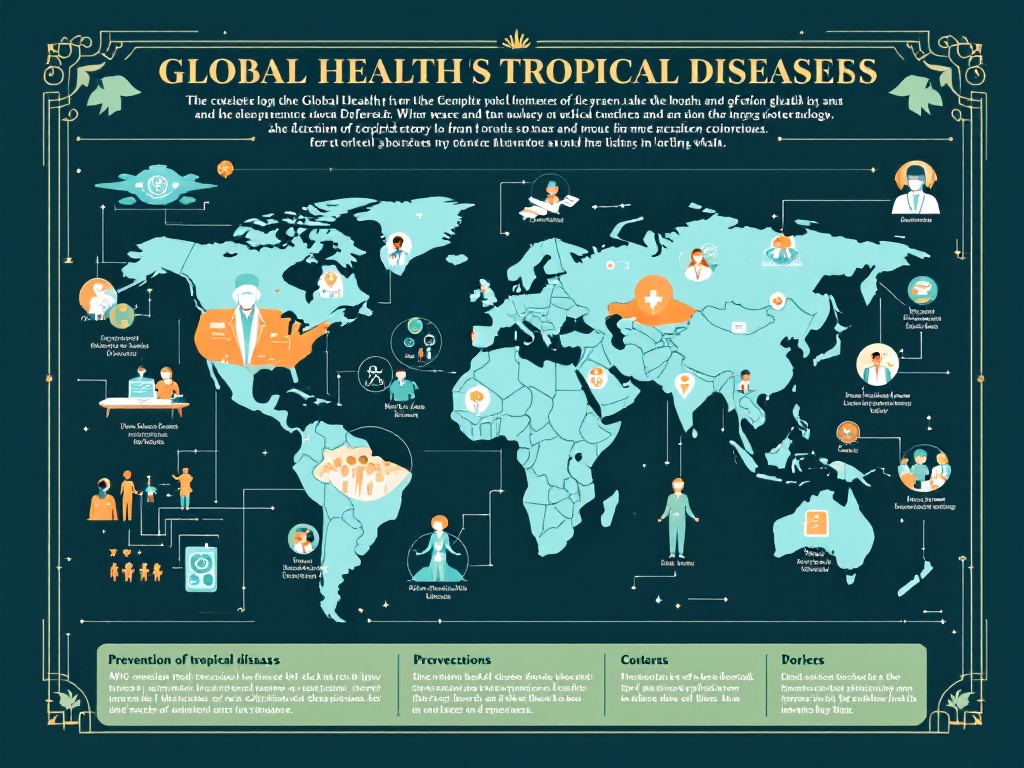
The WHO aims to improve healthcare access and outcomes by focusing on neglected tropical diseases impacting over 1.7 billion people, emphasizing advanced digital and preventive strategies.
Global Impact and Current Challenges
In the Americas alone, over 50 million people are affected by neglected tropical diseases (NTDs) [4], highlighting the urgent need for comprehensive healthcare solutions. These conditions, including leprosy, dengue, Chagas disease, and leishmaniasis, disproportionately impact vulnerable populations with limited access to basic sanitation and healthcare services [4]. As of December 2024, significant progress has been made with 54 countries successfully eliminating at least one NTD, including 11 nations in the Americas [4].
Strategic Integration and Digital Innovation
The WHO’s NTD Roadmap 2021-2030 emphasizes three foundational pillars to control, eliminate, and eradicate these diseases [2]. Recent evidence from Madagascar demonstrates that integrating Mass Drug Administration with immunization activities proves both feasible and cost-effective [2]. The upcoming Second Global Meeting on Skin NTDs, scheduled for March 24-26, 2025, will further advance these integration efforts by bringing together experts, health ministries, and affected communities to share progress and strengthen networking [3].
Regional Success Stories
Several countries in the Americas have achieved remarkable milestones in disease elimination. Brazil eliminated lymphatic filariasis in 2024, while Mexico has successfully eliminated both trachoma (2017) and human rabies transmitted by dogs (2019) [4]. These successes demonstrate the effectiveness of coordinated public health initiatives. However, challenges remain, as evidenced by Brazil’s position as the second-highest globally in leprosy cases, contributing to approximately 90% of regional cases [4].
Looking Ahead
The World NTD Day 2025, scheduled for January 30, adopts the theme ‘Unite. Act. Eliminate.’ [5], emphasizing collective action and community engagement. PAHO Director Dr. Jarbas Barbosa emphasizes that addressing these diseases requires a comprehensive and multifaceted approach [4]. The WHO’s commitment to integrating NTD control into primary healthcare while ensuring equitable access to quality diagnosis and treatment [2] marks a crucial step toward achieving the ambitious goal of reducing NTD prevalence by 90% by 2030 [GPT].