

Guntur Hospital Pioneers Telemedicine in Brain and Spine Surgery
Guntur, Sunday, 30 November 2025.
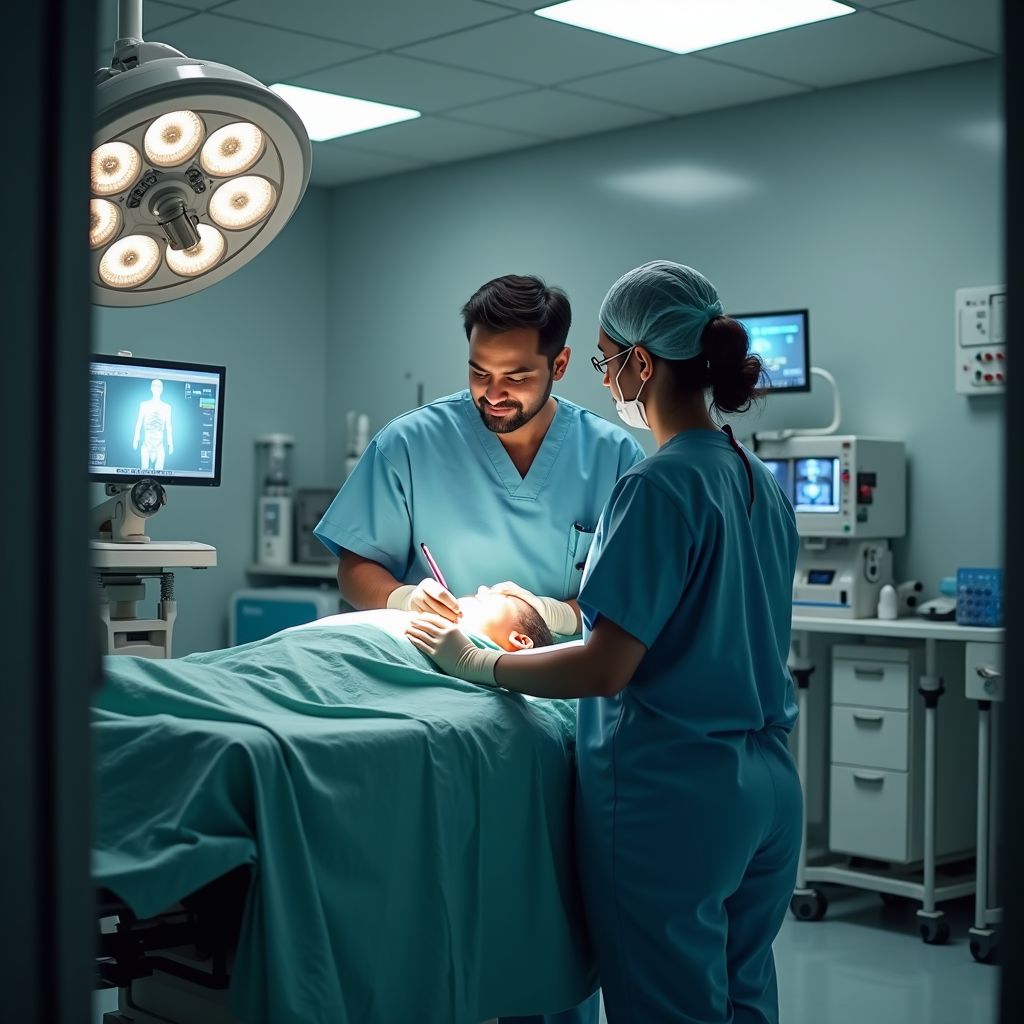
Dr. Rao’s Hospital in Guntur enhances brain and spine surgery with telemedicine, enabling virtual consultations and remote planning, improving patient care and accessibility.
The Role of Telemedicine in Modern Surgical Practices
Telemedicine is revolutionizing the way brain and spine surgeries are conducted at Dr. Rao’s Hospital in Guntur. This approach allows for virtual consultations, enabling patients to receive expert advice without the need for travel. This is crucial for patients residing in remote areas who might otherwise struggle to access specialized care. By leveraging telemedicine, Dr. Rao’s Hospital offers enhanced patient management through remote surgical planning and virtual evaluations, which contribute to more efficient and timely interventions [1].
Improving Patient Outcomes through Technology
The integration of telemedicine into surgical practices has been shown to significantly improve patient outcomes. For instance, virtual consultations at Cleveland Clinic resulted in a change of diagnosis or treatment plans in 67% of cases, highlighting the potential of telemedicine to refine and improve care pathways [2]. At Dr. Rao’s Hospital, telemedicine has similarly enabled remote reviews of MRI and CT images, allowing for precise minimally invasive planning, which reduces hospital stays and associated costs [1].
Expanding Access to Specialized Care
Telemedicine has bridged the gap between patients and specialists, making it easier than ever for individuals in underserved areas to access high-quality medical care. The World Health Organization notes that telemedicine can significantly reduce delays in care by facilitating prompt access to specialists and streamlining the referral process [1]. This is particularly important in neurosurgery, where timely interventions can drastically alter patient prognoses. Dr. Rao’s Hospital employs tele-triage and hybrid care pathways to ensure that patients receive the right care at the right time [1].
Future Prospects and Innovations
Looking ahead, the ongoing integration of telemedicine in surgical practices is expected to continue evolving. Emerging technologies, such as AI-assisted image triage and remote robotic support, are set to make surgical follow-ups smarter and more proactive [1]. Dr. Rao’s Hospital plans to expand its telemedicine services, potentially including real-time surgical assistance and more comprehensive remote monitoring solutions by 2026, further enhancing patient care and operational efficiency [1].