

India's Digital Health Revolution: Project Phoenix Aims to Transform Rural Healthcare by 2030
New Delhi, Friday, 29 November 2024.
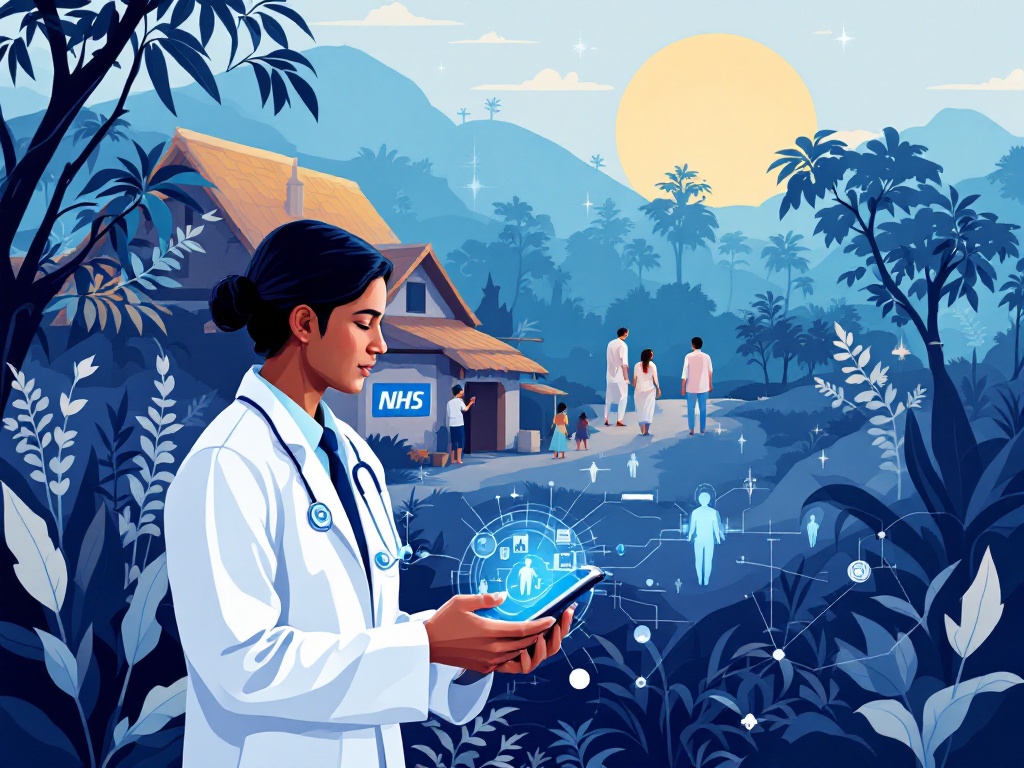
An ambitious healthcare initiative leveraging technology aims to connect 80% of rural India with specialist care by 2030. Through smart health monitoring devices, virtual doctor networks, and integrated diagnostic services, Project Phoenix is tackling one of healthcare’s most pressing challenges - bringing quality medical care to underserved communities. The project combines free and premium service tiers, ensuring accessibility while promoting sustainable healthcare delivery.
Strategic Developments in Healthcare Access
Project Phoenix is a groundbreaking initiative focused on revolutionizing healthcare access in rural India through strategic developments and systemic changes. The project aims to bridge the healthcare gap by leveraging technology and forming robust industry partnerships. By 2030, it seeks to connect 80% of the population in Tier 3 and 4 cities with specialized healthcare services. This ambitious goal is supported by a comprehensive digital healthcare solution that integrates smart health monitoring devices, virtual doctor networks, and local diagnostic centers.
Empowering Rural Communities
Central to Project Phoenix’s approach is the empowerment of rural communities through proactive healthcare measures. The initiative provides individuals with tools for vital sign monitoring using smart kits, facilitating early detection and management of chronic diseases. By eliminating geographical barriers via remote consultations and medical delivery services, the project enhances healthcare utilization in areas historically underserved. This focus on proactive care is designed to improve health outcomes and foster a culture of preventive healthcare in rural India.
Industry Collaboration and Technological Integration
The success of Project Phoenix hinges on its ability to foster industry collaboration and integrate technological solutions. Partnerships with technology providers and local governments are crucial for deploying digital solutions that enhance rural connectivity. Such collaborations ensure reliable internet access, a critical component for effective telehealth services. The initiative also emphasizes affordability and patient empowerment, offering both free and premium service tiers to accommodate diverse economic backgrounds[1].
Long-term Impact and Transformation
By systematically addressing the digital divide and healthcare accessibility, Project Phoenix aims for a long-term transformation of India’s rural healthcare landscape. The deployment of telehealth platforms, capable of 24/7 access with user-friendly interfaces, promises to significantly reduce wait times and improve healthcare delivery. However, challenges such as limited internet access and digital literacy in rural areas must be addressed to ensure inclusivity and sustainability. As the project progresses, it is expected to not only enhance healthcare outcomes but also contribute to economic empowerment and social inclusion[2][3].