

Digital Triage Enhances Efficiency in Swedish Healthcare Centers
Stockholm, Wednesday, 15 January 2025.
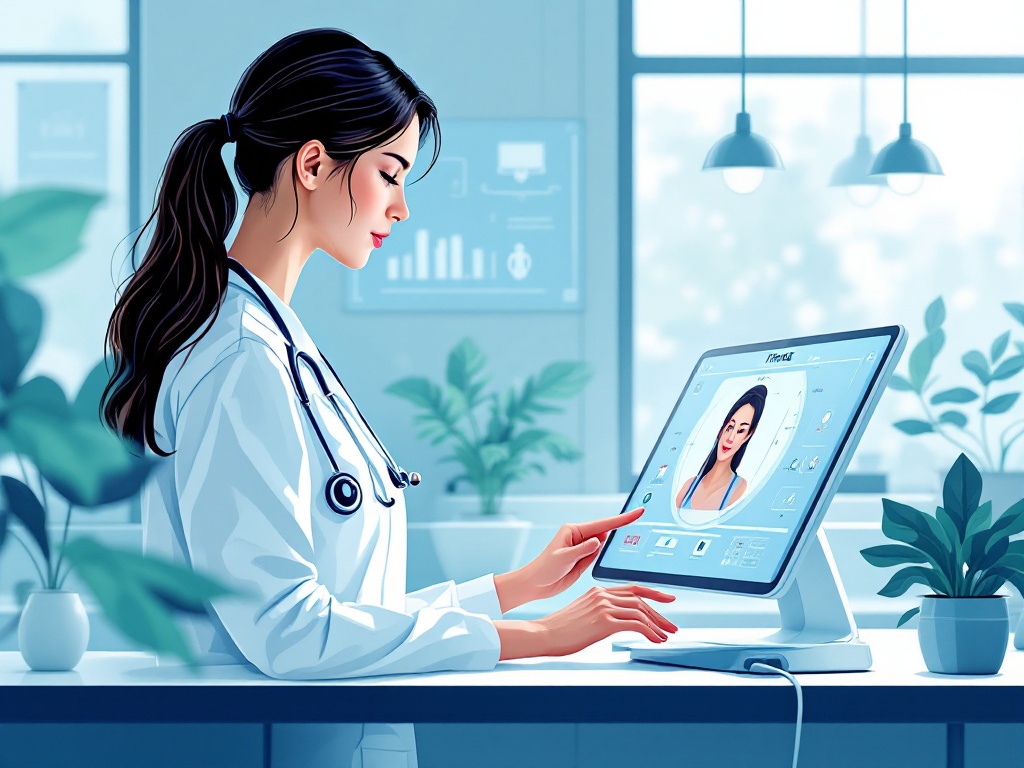
A study explores the impact of digital triage on nurses at Swedish primary healthcare centers, revealing changes in communication methods and workflow efficiency.
Digital Revolution in Swedish Healthcare
A groundbreaking study published on January 14, 2025, reveals significant transformations in Swedish healthcare delivery through digital triage implementation [1]. The research, involving four registered nurses and two public health nurses in southern Sweden, demonstrates how digital tools are reshaping traditional healthcare workflows [1]. This transition marks a substantial shift from telephone-based communication to text-based digital triage systems, incorporating chats, emails, and pre-filled forms for patient assessment [1][3].
Adapting to New Professional Tools
The study identifies a fundamental theme of ‘Adapting to a new professional toolbox to triage and give health guidance’ [1]. Nurses report experiencing significant changes in their information collection methods and communication modes [1]. While digital triage introduces new capabilities, such as the ability to review attached images and provide time for reflection, it also presents challenges in the loss of traditional auditory cues that nurses historically relied upon for patient assessment [1]. As one nurse in the study noted, healthcare professionals must now work differently, adapting their assessment techniques to compensate for the loss of direct verbal communication [1].
Benefits and Challenges
Digital triage systems offer several advantages, including enhanced efficiency in patient assessment and reduced risk of contagion, particularly beneficial for visibly symptomatic patients [1]. However, the research highlights significant challenges, including difficulties in written communication of care and emotions, and potential delays in asynchronous communication [1]. The study emphasizes that digital literacy has become crucial, with nurses who are comfortable with written communication showing more positive responses to these digital tools [1].
Future Implications
As healthcare centers continue to adapt to digital triage systems, the findings suggest a need for specialized training to ensure efficient and safe assessments [1]. The research indicates that while digital triage may initially present workflow challenges, it has the potential to enhance nursing work through improved time management and convenient communication options [1]. Healthcare providers are now focusing on developing strategies to address the identified challenges while maximizing the benefits of digital triage systems [1].