

Canon Unveils AI-Based Fluoroscopy System for Safer Cardiology Procedures
Tokyo, Monday, 31 March 2025.
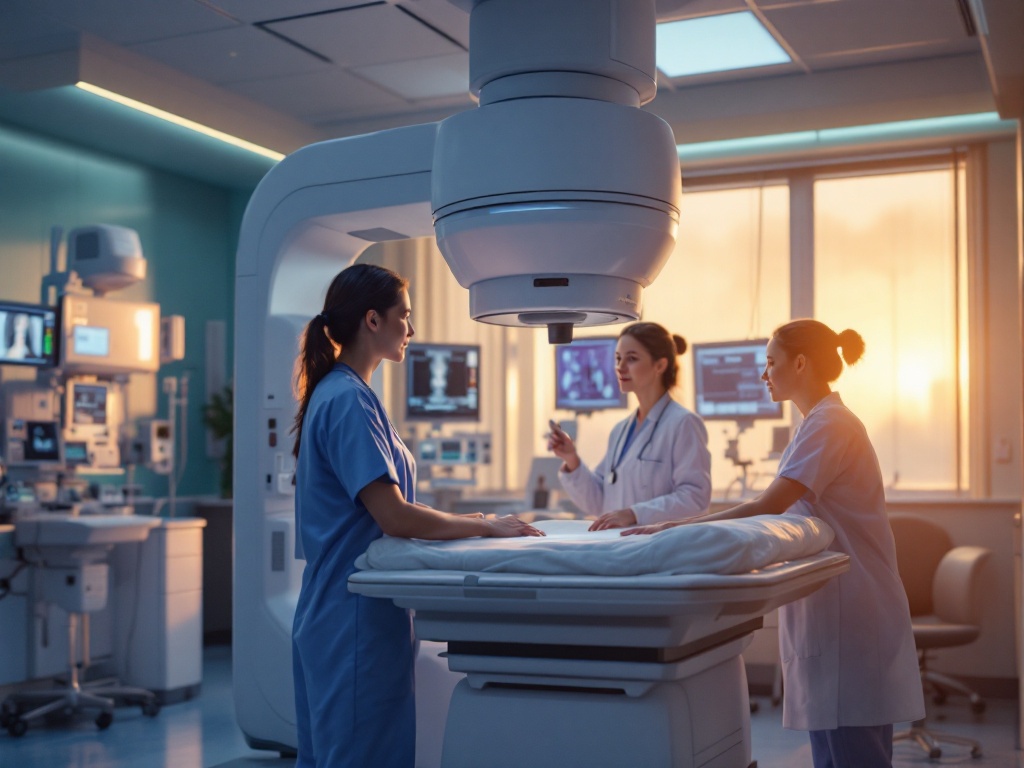
Canon’s AI fluoroscopy innovation enhances image quality, reduces radiation during cardiology procedures, and improves workflow. Early adopters report positive impacts on patient safety.
Revolutionary Advancement in Cardiac Imaging
Canon Medical Systems Corporation’s latest AI-based fluoroscopy system represents a significant breakthrough in interventional cardiology. The system enables healthcare providers to replace traditional digital acquisition (DA) with fluoroscopy while maintaining equivalent image quality [1]. This advancement comes at a crucial time when the radio-fluoroscopy systems market is projected to grow at a CAGR of 8.2% from 2025 to 2032 [3].
Enhanced Safety and Efficiency
The new system addresses two critical concerns in cardiac imaging: radiation exposure and workflow efficiency. By leveraging artificial intelligence, the technology enables smoother workflow while significantly reducing radiation dose for both patients and healthcare providers [1]. This development aligns with the broader industry trend toward hybrid systems that prioritize radiation safety while improving diagnostic accuracy [3].
Market Impact and Growth Trajectory
This innovation enters a market poised for substantial growth, with the global radio-fluoroscopy systems sector expected to reach approximately $4 billion by 2028 [3]. The technology’s introduction reflects the industry’s shift toward digital radio-fluoroscopy, driven by increasing demand for advanced diagnostic imaging and minimally invasive procedures [3]. Early adopters have reported positive outcomes, particularly in interventional cardiology applications [1].
Future Implications for Healthcare
The integration of deep learning-based reconstruction (DLR) in imaging systems marks a transformative trend in medical imaging [7]. This technological advancement comes as the healthcare industry increasingly embraces AI-powered solutions, with recent studies demonstrating the potential for reduced radiation and contrast agent usage while maintaining diagnostic quality [7]. The development represents a significant step forward in Canon’s commitment to advancing medical imaging technology and improving patient care [1].