

Telemedicine: A Home-Based Solution for Substance Use Disorder Care
Unknown, Monday, 9 December 2024.
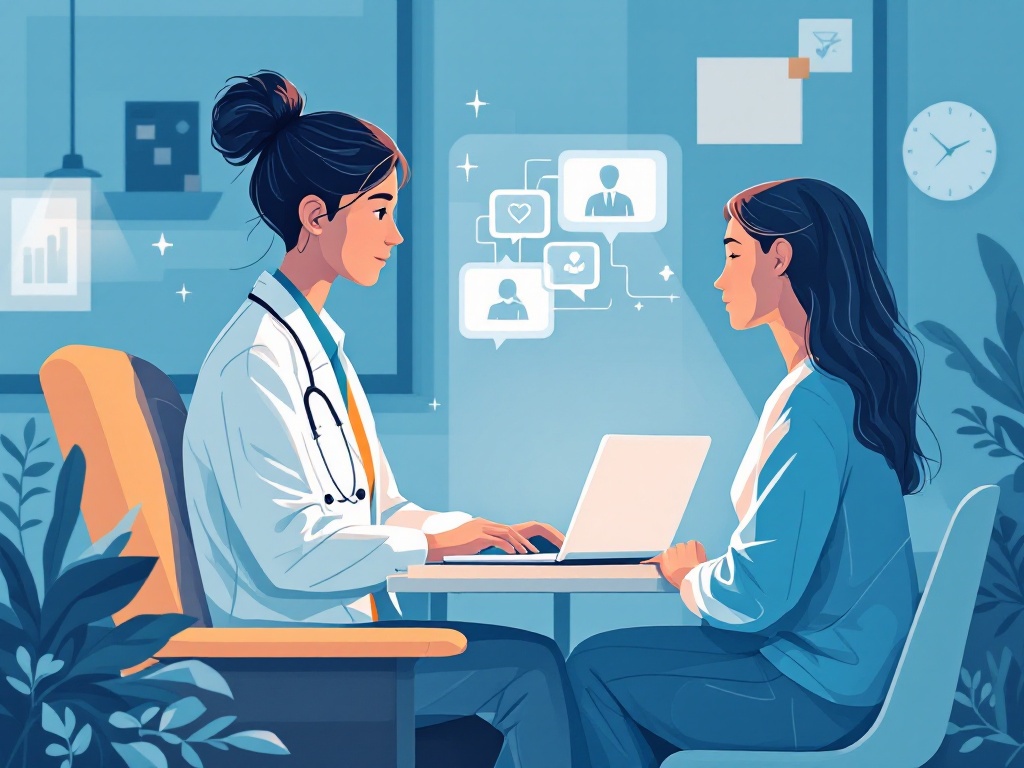
Telemedicine offers an effective, private alternative for substance use disorder treatment at home, reducing barriers like transportation and enhancing privacy, as discussed at a recent clinical meeting.
The Rise of Home-Based Treatment
In a significant development for substance use disorder (SUD) treatment, healthcare providers are increasingly turning to telemedicine as a primary care delivery method. This shift gained momentum during the COVID-19 pandemic, with regulatory barriers being reduced and reimbursement rates increased - changes that will remain in effect through 2025 [1]. The Veterans Affairs (VA) system has demonstrated particular success in this approach, with over 50% of buprenorphine prescriptions being managed through telehealth services in 2023 [1].
Evidence-Based Implementation
Clinical evidence supports the effectiveness of home-based treatment protocols. While research shows ‘weak to moderate evidence’ for outcome differences between home-based and office-based initiation of buprenorphine [1], the accessibility benefits are clear. Treatment typically begins with a 4 mg dose of buprenorphine on day one, with careful monitoring and adjustment through telehealth appointments [1]. The American Society of Addiction Medicine (ASAM), representing over 7,000 physicians and specialists, has been instrumental in developing these treatment protocols [2].
Addressing the Mental Health Crisis
Telemedicine’s role in SUD treatment is particularly crucial given the current mental health crisis. According to SAMHSA, millions of Americans suffering from substance use disorders face significant barriers to accessing care [3]. Telehealth services are proving especially valuable in rural areas, where patients report higher satisfaction rates with remote treatment options [3]. This approach not only improves accessibility but also helps reduce the stigma associated with seeking treatment, as patients can receive care privately from their homes [3].
Future Considerations and Challenges
While telemedicine shows promise, healthcare providers must carefully evaluate patient suitability for home-based care, considering factors such as withdrawal severity and home stability [1]. Privacy concerns and technological barriers, particularly for older adults and low-income households, remain significant challenges [3]. Despite these obstacles, the integration of telehealth into SUD treatment represents a transformative approach to healthcare delivery, offering a viable solution for expanding access to critical addiction services [1][3].