

California Universities Launch Smart Telemedicine for Students
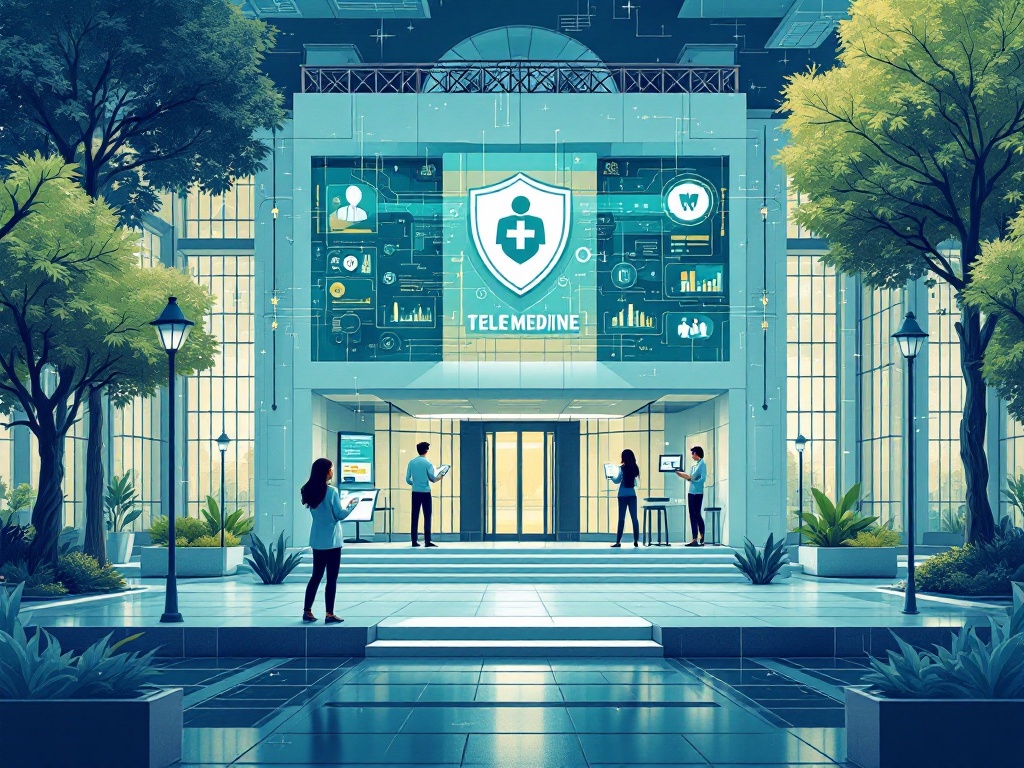
California, Thursday, 2 January 2025.
California campuses implement AI-driven telemedicine to improve student health, aiming to reduce healthcare costs and enhance safety through timely interventions.
AI-Enhanced Healthcare Integration
The University of California system is leading the way in innovative healthcare delivery by implementing smart telemedicine services that combine engineering expertise with medical insights [1]. This system utilizes advanced AI-based alert and anomaly detection capabilities to provide timely interventions for students experiencing health issues [1]. The initiative is part of a broader platform aimed at enhancing campus security while providing comprehensive health support for students [1].
Expanding Mental Health Access
A significant component of this implementation includes mental health support, with numerous certified therapists and clinical professionals now offering telemedicine services across California universities [2]. Notable institutions such as the University of California, San Francisco, and Stanford University have integrated these services, with licensed psychologists and clinical professors providing remote care [2]. This expansion particularly benefits students by offering easier access to mental health support without leaving campus [2].
Technical Infrastructure and Support
The university system has invested in robust technical infrastructure to support this initiative, with dedicated technical leads managing a portfolio of over 250,000 virtual visits annually [4]. The implementation includes comprehensive testing protocols and integration with existing healthcare systems to ensure seamless service delivery [4]. UC San Diego Health, for example, has positioned itself at the forefront of this transformation, ranking #1 in San Diego for its innovative healthcare programs [3].
Proven Success and Future Outlook
Recent studies demonstrate the effectiveness of telemedicine implementations, with high satisfaction rates among users. Research shows that 95% of users have access to the necessary technology for these services, with 88% reporting consistent access to private spaces for consultations [7]. The success of these programs has led to plans for expanded services, with universities focusing on creating a hybrid model that combines both in-person and virtual care options [7].
Bronnen
- ieeexplore.ieee.org
- train2treat4ed.com
- employment.ucsd.edu
- www.tealhq.com
- bmcinfectdis.biomedcentral.com